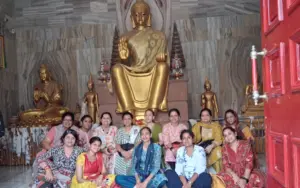
The journey unfolded as more than a pilgrimage. From the moment the group set out, the excitement of visiting two of India’s most revered spiritual destinations was palpable. Conversations, laughter and devotional songs filled the journey, while the anticipation of darshan grew with every passing mile. For many, the Yatra offered a welcome pause from the rhythm of academic responsibilities and an opportunity to experience spirituality together as a community. The temples, the sacred ghats and the timeless atmosphere of Ayodhya and Kashi left each traveller with memories that went beyond photographs and souvenirs. It was a journey in which colleagues became companions, and moments of devotion became memories to be cherished long after returning home.
काशी शिवस्य, अयोध्या रामस्य।
Kāśī Śivasya, Ayodhyā Rāmasya.
“Kashi belongs to Shiva; Ayodhya belongs to Rama.”
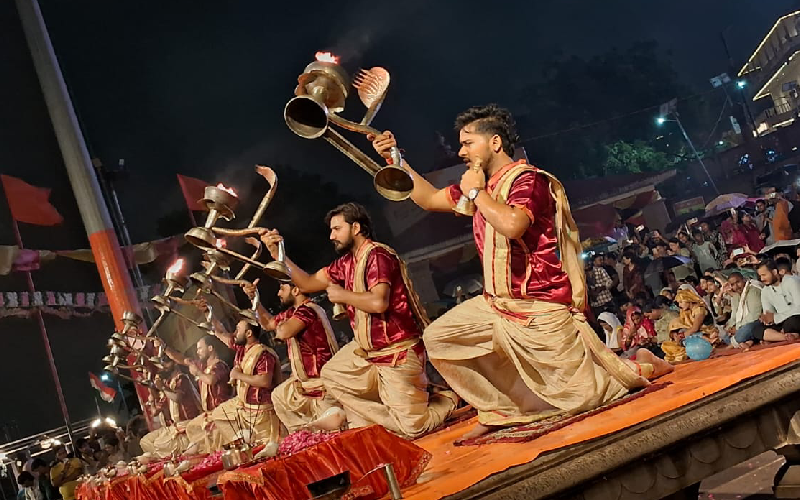
Ayodhya and Kashi offered two distinct yet deeply connected experiences of devotion. In Ayodhya, the darshan of Ram Lalla evoked a sense of joy and fulfilment, while Kashi opened another dimension of spirituality through the presence of Lord Vishwanath and the sacred Ganga. As evening descended on the ghats, the grandeur of the Ganga Aarti created an atmosphere of collective prayer and wonder. The glow of the lamps, the chanting of bhajans, the sound of conches and the rhythmic movements of the priests seemed to bring the entire gathering into a moment of stillness. Amidst the crowds and the grandeur, there were also personal moments of reflection, moments when each traveller could simply pause, absorb the experience and feel grateful for having been part of the Yatra.
“We had first gone to Prayag Raj and we were genuinely waiting for the chance when God would call us. As soon as the Ayodhya Kashi Yatra was announced, we were overjoyed beyond words,” says Lipsa Dash. “The college has been a huge catalyst for the darshan. When we saw Ram Lalla, we were filled with so much joy. Offering Bel Patra leaves to Lord Shiva at Kashi Viswanath was another world of joy in itself.”
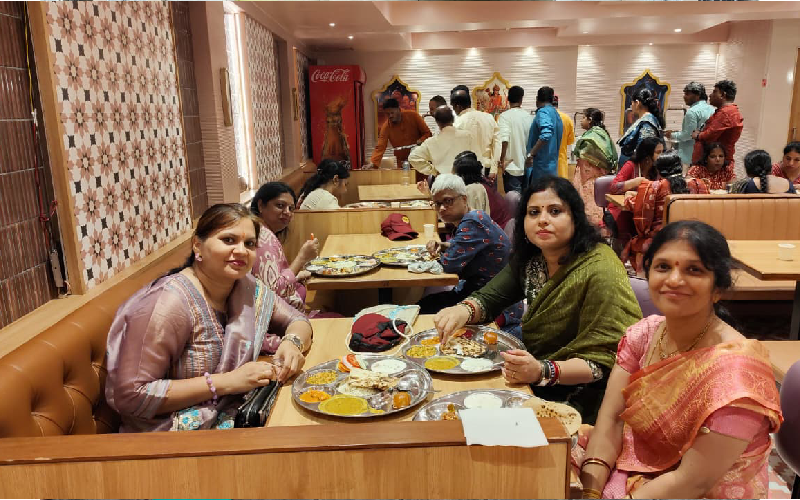
The mornings began with the anticipation of darshan, while the hours in between brought opportunities to explore, shop and share stories. Prof Lipsa Dash says, “We were taking care of each other in a collective way. We shopped for a lot of sarees in the most peaceful way possible. Now we wait eagerly when the next yatra will be announced.”
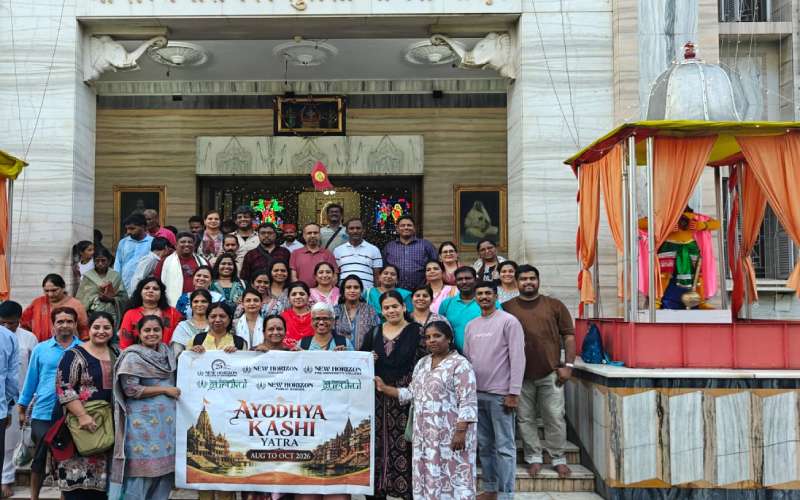
Under the spiritual encouragement of the esteemed Chairman, Dr. Mohan Manghanani, a group of staff members from the teaching fraternity went to the Ayodhya Kashi Yatra. NH Management had ensured that the staff had comfortable rooms, good quality food, Entry Passes, Travel and so on. All the staff irrespective of their posting got the same quality of accommodation, food and travel arrangements for the Yatra.
In Ayodhya, the presence of Ram Lalla evoked a deep sense of joy and fulfilment; in Kashi, the spiritual atmosphere of the Vishwanath Temple and the magnificence of the Ganga Aarti offered moments of awe and contemplation. Each sacred experience was accompanied by the warmth of colleagues travelling together.
“What I will treasure a lot is that my mind drew a parallel of the Ganga Arathi with the Godavari Arathi. Godavari Arathi has three people while Ganga Arathi has about seven to eight people performing the Arathi. Also there are a lot of elements in the Ganga Arathi like Conch blowing, Dhoop in the Arathi which is not there in the Godavari. We had spend a good 45 minutes to an hour completely immersed in the Arathi. We sang a lot of Bhajans in the process. We were so at peace. I had a blissful time.” Recalls Prof. Ramaa
As the journey progressed, the staff discovered that pilgrimage can be experienced collectively as much as individually. Helping one another, waiting together, exchanging observations and singing bhajans transformed the Yatra into a memorable fellowship. The sights and sounds of Ayodhya and Kashi may have been the heart of the journey, but the shared experiences became its lasting soul. For many, the Yatra was therefore not simply about visiting two revered destinations; it was about carrying a little of their peace and togetherness back into everyday life.