Why Join NCC

Reserved Vacancies

Access exclusive reserved seats in the IMA, OTA, and other prestigious officer training academies.

Corporate Preference

Get a head start with top firms like Reliance and Tata that prioritize NCC cadets for management roles.

Educational Benefits

60 engineering & 16 medical seats reserved. 6-7% PG seats across Indian universities.

National Recognition

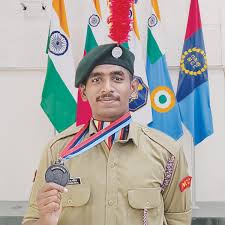
Earn prestigious medals and commendations at the national level by competing in high-stakes events.
National Integration

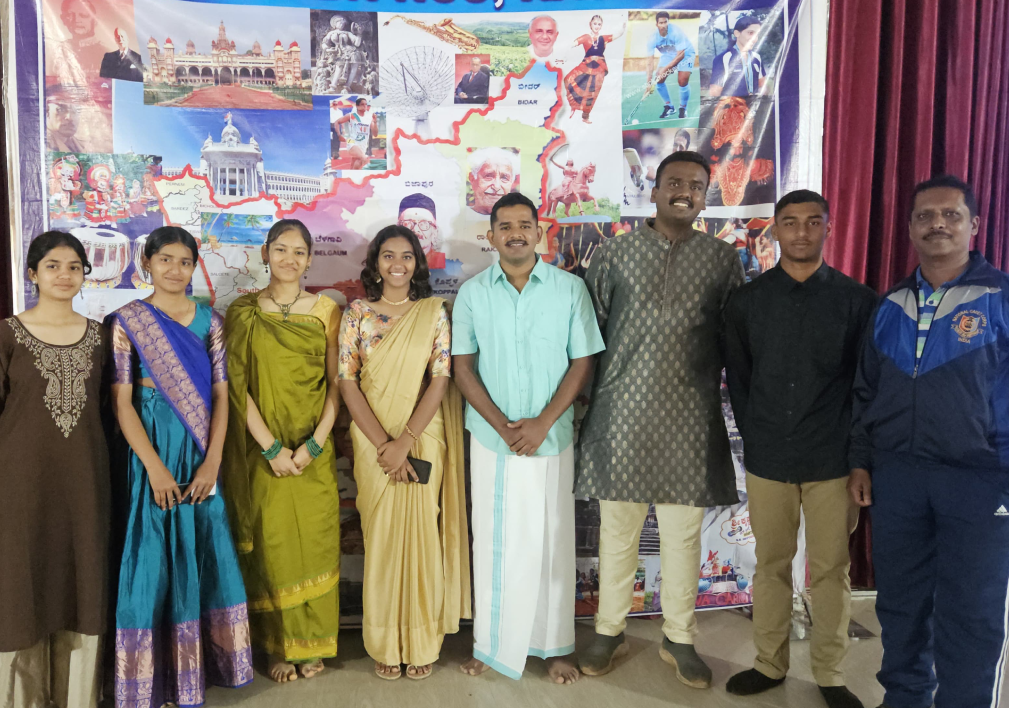
Travel across the country through EBSB camps to live, train, and collaborate with cadets from diverse cultures and backgrounds.
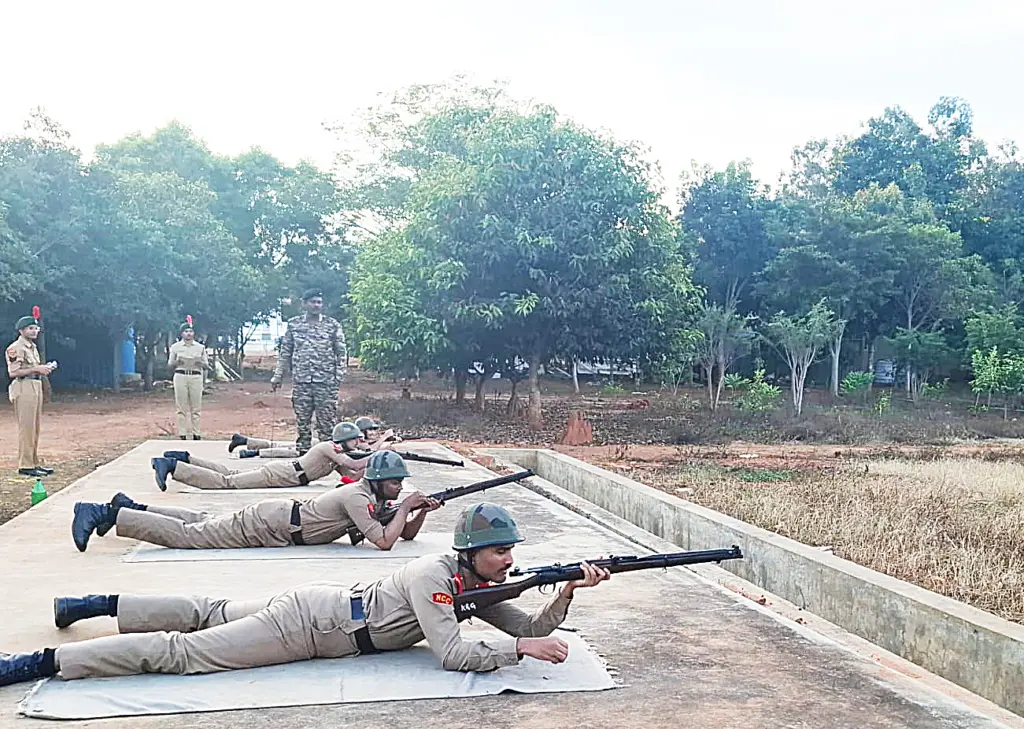
Weapon Handling

Receive hands-on training and firing practice with standard-issue military weaponry and equipment.
Adventure Training

Participate in fully-funded mountaineering, para-sailing, scuba diving, and trekking expeditions.

Note: All cadets featured in the images above are cadets of 4/6 Coy, NHCE.

FAQs

NCC is not a club or student society. Unlike standard campus clubs, which are run autonomously by student leads and faculty advisors, NCC functions as a tri-services youth organization affiliated directly with the Indian Armed Forces (Army, Navy, and Air Force).
NCC (National Cadet Corps) is a tri-services organization affiliated with the Armed Forces, focused on military-style training, discipline, and leadership through parades, drills, and camps. NSS (National Service Scheme), on the other hand, is centered on community service and social work, involving activities such as volunteering and civic outreach.
Both 1st and 3rd semester college students may join the Senior Division/Wing, provided they meet the age and fitness requirements, along with a few other selection criteria.
Yes, female students can join NCC as part of the Senior Wing (SW). Their participation is a valued part of the Corps, and interested candidates are welcome to apply.
Enrollment begins with an orientation session, following which selection dates are announced. The selection process itself is conducted by the ANO (Associate NCC Officer) along with PI (Permanent Instructor) staff and senior cadets.
Usually, there is one fall-in and one parade per week. Additional fall-ins or training sessions may be conducted before competitions or when extra preparation is required.
Weekly training classes include physical training (PT), drill practice, and theory lessons.
Theory classes cover basic knowledge of the armed forces, Map Reading (MR), Fieldcraft and Battlecraft (FCBC), Health & Hygiene (H&H), and other related subjects.
NCC training extends well beyond physical fitness. Cadets develop soft skills such as leadership, teamwork, time management, and clear communication — skills that are difficult to teach in a classroom setting. Many organizations recognize the value of these qualities and are often able to distinguish candidates with an NCC background, as cadets are accustomed to handling responsibility, working under pressure, and maintaining discipline.
NCC does not make military service compulsory after training. However, holding an NCC 'C' Certificate provides a direct-entry opportunity as an officer in the Armed Forces by bypassing the written examination. 'C' Certificate holders also receive reserved quotas or bonus marks when applying for JCO and NCO/Agniveer roles.
NCC always aims to maintain a balance between training and academics. Any classes or examinations missed while attending a camp or competition are duly accommodated, ensuring that academic performance is not adversely affected.